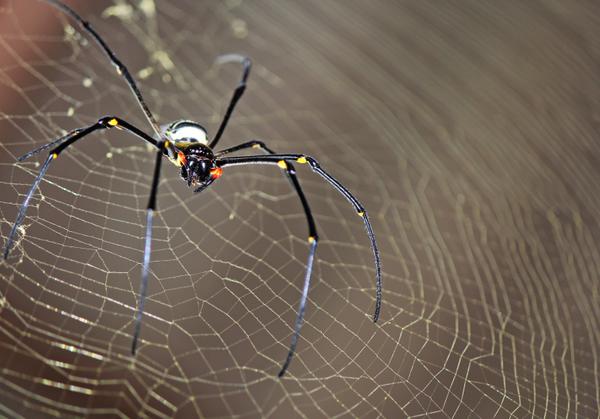
A bird knows exactly how to build a nest. A spider is born with the intrinsic and detailed knowledge of how to build a web. The arctic tern knows how to navigate over thousands of miles to a specific place to breed. Baby
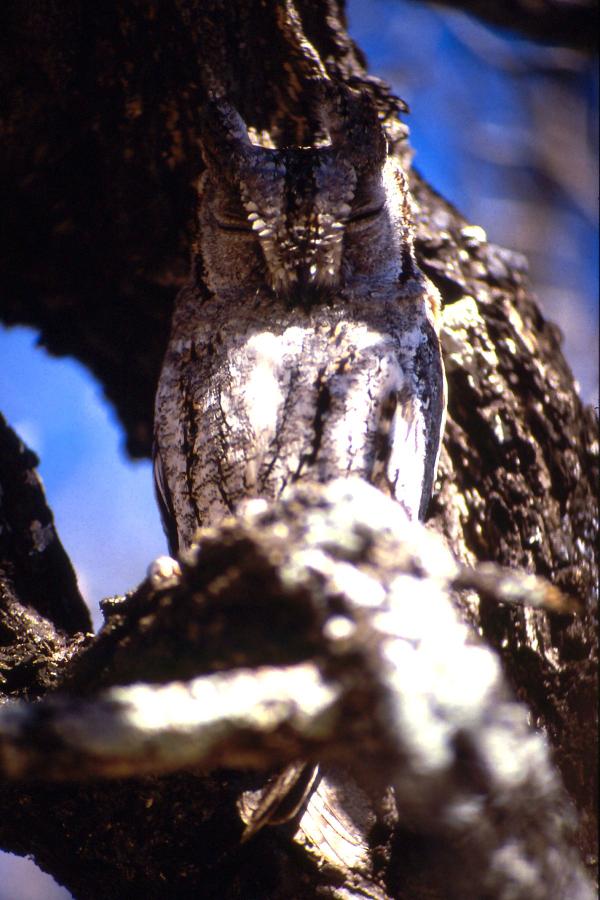
nightjars know automatically to close their eyes when danger approaches so that the "circle" of their eyes can't be seen. The Scops owl will do the same thing, and sit tightly against a tree that has bark that looks just like its feathers when it feels threatened. A female fig wasp will follow an almost-impossible pattern of behavior to find a fig to enter. It will know exactly how and where to enter the fig, though it has never done it before, and will do it only once before it dies. The
mussels in the Missouri River know to wiggle portions of their anatomy that, incidentally, look exactly like striped fish that bass love to eat! They will know exactly when to blow their babies into the mouths of the bass that come to eat the striped fish, even though the mussels have no idea why or how this helps their kind survive! The babies will immediately attach themselves to the gills of the fish, absorbing oxygen until the mussel is old enough to survive on its own, at which
time it simply unclamps and falls out of the gills of the fish.
We could go on and on - about every creature on earth - because they all have their own, unique instincts that help them survive. Evolutionist explanations of where the original knowledge comes from, and then how it's passed on from generation to generation leave so much to be desired. Their attempts at trying to explain the unexplainable through natural processes involving billions of years fall clearly outside the limits of
measurable, observable science. These fascinating things can only be appreciated within the concept of design.